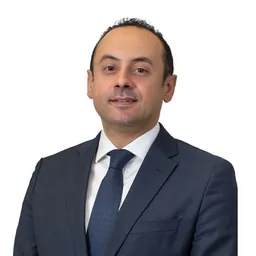
Dr. Mohamed Abdelmaksoud
MBBCH, Faculty of Medicine, Cairo University, 2001 MSc Diagnostic Radiology, Faculty of Medicine, Cairo University, 2007 Scholar, Interventional Radiology, Stanford University, CA, USA, 2009 Doctoral degree, Faculty of Medicine, Cairo University, 2015
Interventional radiologist specializing in cancer treatment and portal hypertension management
Image-Guided ProceduresConsultantScans & Diagnostics
Experience
25 years
Languages
Arabic, English
Location
Dubai Healthcare City, Dubai
Sees
adults
- ✦Head of the Interventional Radiology Unit at Theodor Bilharz Research Institute, Egypt
- ✦Official proctor and consultant for Yttrium-90 radioembolization across Europe, Asia, and Africa
- ✦Recipient of the State Encouragement Award for Medical Science from Egypt (2014) and the Young Interventional Radiologists Grant from GEST (USA)
- ✦Listed in the Dictionary of International Biography as a leading health professional in interventional radiology
About Dr. Mohamed Abdelmaksoud
Dr. Mohamed Abdelmaksoud is an assistant professor of interventional radiology and head of the Interventional Radiology Unit at Theodor Bilharz Research Institute in Egypt. He trained at Cairo University's Faculty of Medicine and completed an interventional radiology scholarship at Stanford University in California. He is a consultant interventional radiologist with Dubai Health Authority and a visiting scholar at Stanford's Interventional Radiology Department.
Dr. Abdelmaksoud specializes in minimally invasive image-guided procedures to treat liver cancer and other conditions. His core expertise includes radioactive microsphere treatment (a form of targeted radiation therapy for liver tumors), chemoembolization (injecting chemotherapy directly into tumors), and management of portal hypertension—a serious liver complication—using advanced catheter techniques. He also performs biliary drainage and stenting, uterine fibroid embolization, treatment of blood clots and varicose veins, and CT-guided interventions. He opened a specialized unit for advanced interventional radiology in Egypt in 2011 and has supervised Y90 radioembolization cases across Europe, Asia, and Africa as an official proctor for SIRTEX (the leading company in this field).
Dr. Abdelmaksoud is an active researcher and educator, publishing widely on interventional oncology and serving as a reviewer for major international journals including the Journal of Vascular and Interventional Radiology. He leads multiple international clinical trials, particularly focused on liver cancer treatment. He is a strong fit if you need advanced minimally invasive cancer treatment, complex liver interventions, or image-guided catheter procedures performed by a highly experienced and internationally recognized specialist.
Special interests: hepatocellular carcinoma treatment, Y90 radioembolization, chemoembolization, image-guided procedures.
A good choice if you…
- ✓need minimally invasive treatment for liver cancer or unresectable tumors
- ✓require management of advanced liver disease or portal hypertension